A family book
The Haigies
Vancouver
1940
The Haigies
A family book
Everyone named Haigie in Vancouver's city directories in 1940, one person at one address, read line by line, with the page behind every line
Contents
- The name
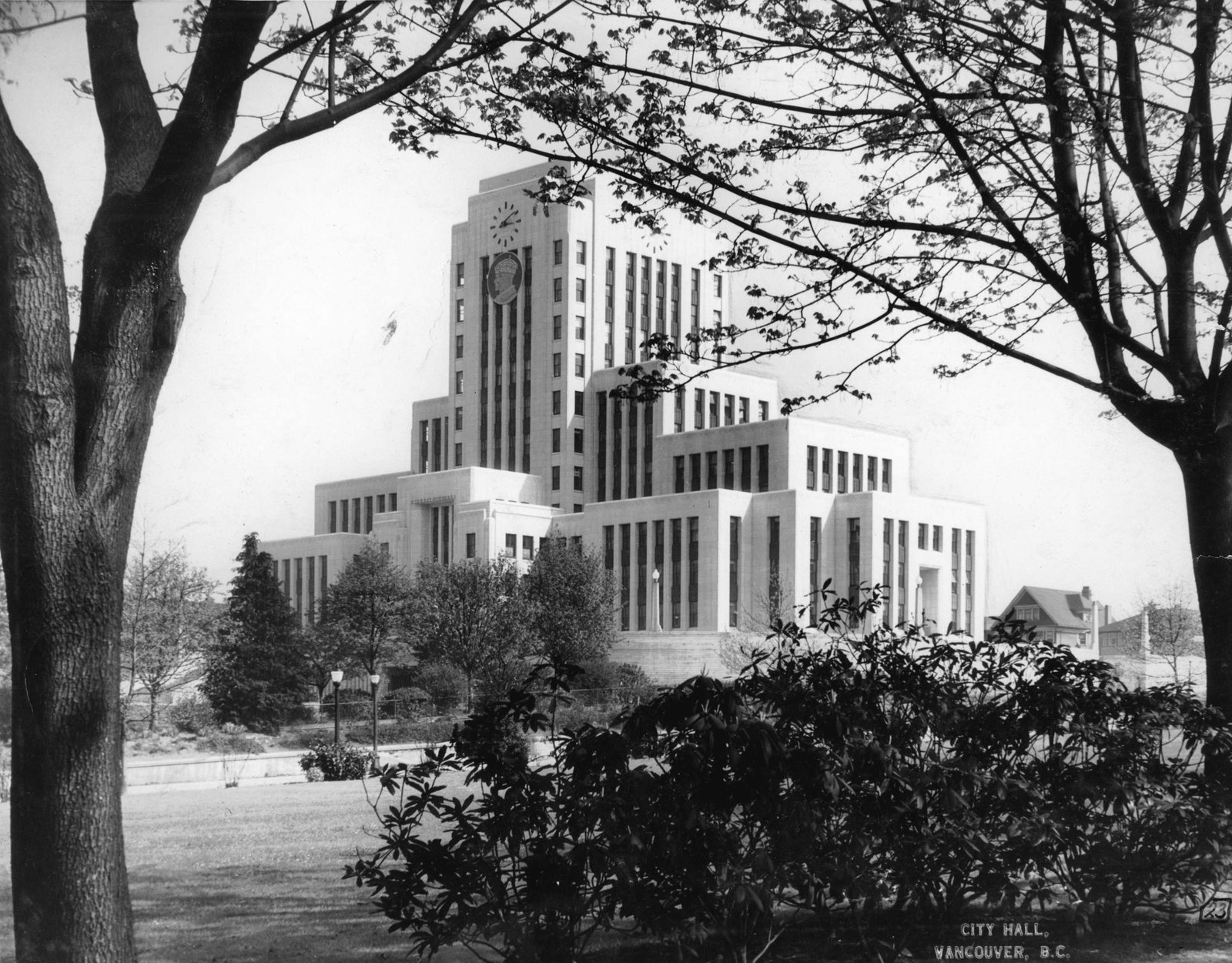
- Plate I, an archive photo1936
- I2266 West 12th Avenue1940
- Plate II, the name on today's map
- The addresses today
- Sources, page by page
AddressLore, Vancouver, 2026
Prologue
The name
The directories print one person named Haigie at one address, 2266 West 12th Avenue in Kitsilano, in 1940.
The name section prints a trade for the one person: an usher.
Each chapter is one address: the people printed there with their work, the story there in our words, and each year's lines as the directory printed them, with who lived next door. Where the same first name and initials appear at two addresses, we follow the person from one to the next and say so; that is an inference, and marked as one.
Plate I
Chapter I
2266 West 12th Avenue
Kitsilano, 1940
The 1940 name section, where each person's work is printed, lists Nancy Haigie at 2266 West 12th Avenue, an usher at the Alma Theatre.
- Nancy Haigie
- An usher at the Alma Theatre, 1940
1940
Name section, as printed
Haigie Nancy usher Alma Thea r 2266 West 12th Avenue
Next door in 1940: J W Paget at 2256.
Plate II
Epilogue
The addresses today
The City no longer lists 2266 West 12th Avenue, so that building is probably gone (inferred).
The directories in this book stop in 1940; names are shown through 1945. What they printed under the Haigie name is in the chapters before this one, every line with its page, so anyone can check it.
Sources
The page behind every line
Every year here comes from that year's printed city directory, held by the Vancouver Public Library. Canvassers compiled each one door to door, so a listing is who they recorded, not a legal record. Names are copied as printed, spellings and all. The street section lists each address in order; the name section lists each person with their work and address, which is where the jobs come from. h marks a householder, r someone living there, wid a widow. *: some member of the family owns the property, to the best of the directory's knowledge (its own mark, printed from 1935).
Close spellings of the name are grouped, since a family's name was often spelled differently from one year to the next; one name can still be several families, and we join lines only where the first names or initials agree. Many Chinese, Japanese and other residents weren't named by the canvassers, so they can't be found by name. We link the library's page images and never reprint them.
Pages cited
- 1940British Columbia and Yukon Directory: name section p. 247

Today's buildings and the map: City of Vancouver open data, under the Open Government Licence – Vancouver. The photograph: City of Vancouver Archives, CVA 677-117, public domain.
Something wrong, or a name you'd like removed? Tell us.
Compiled by AddressLore, Vancouver, November 2026. Set in Libre Caslon.